How To Order and Eat Korean BBQ
Eating KBBQ is an entire experience, but how do you make it an authentic KBBQ experience? Here’s how to order and eat Korean BBQ like a local!
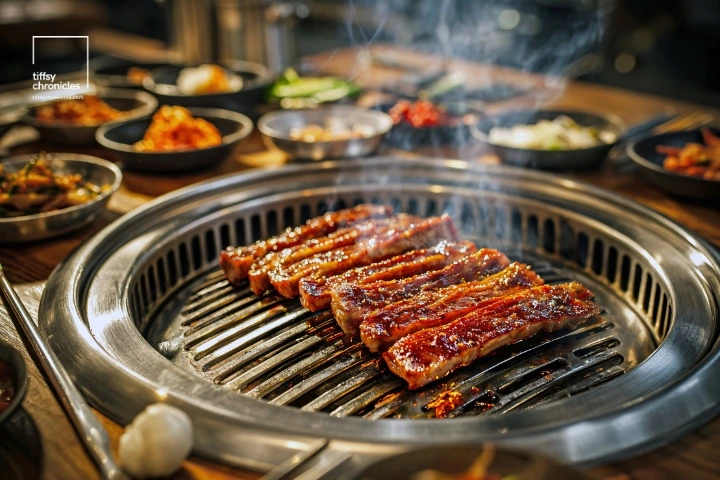
Korean BBQ has become almost a staple in many countries all over the world, including the Philippines. It’s like an entry point to the rich culinary traditions of Korean cuisine.
Eating KBBQ is an entire experience, from the wide array of meat, the smorgasbord of banchan, and the entire process of cooking your food as you enjoy the company of your colleagues, friends, and loved ones.
But how do you make it an authentic KBBQ experience? Here’s how to order and eat Korean BBQ like a local!
Table of Contents
- What is Korean BBQ? The KBBQ Experience
- What Makes Korean BBQ Different?
- How to Order Korean BBQ (Etiquette)
- 5 Best Ways to Eat KBBQ (and How to Eat Like a Local)
- Wrapping It Up
What is Korean BBQ? The KBBQ Experience
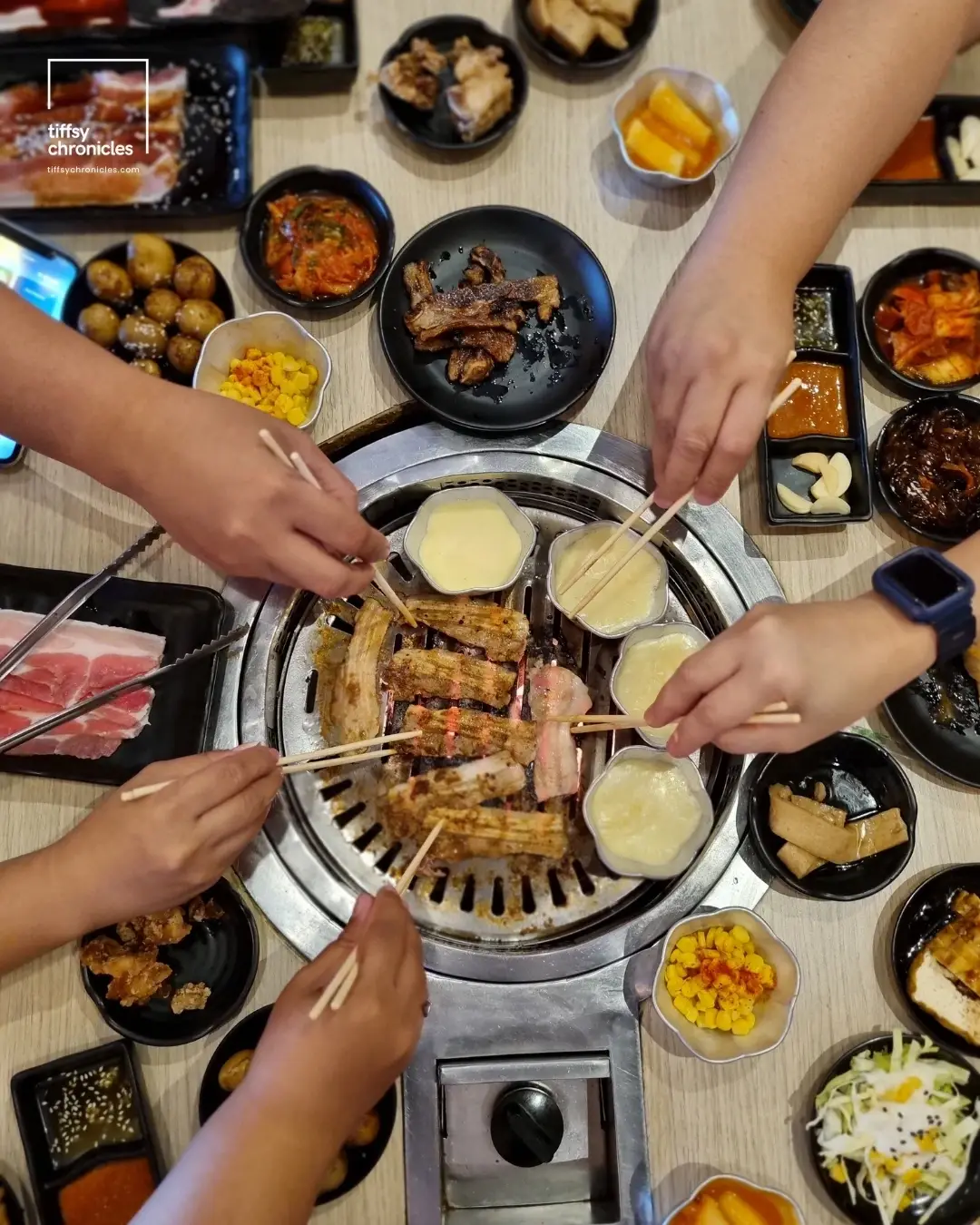
Korean Barbecue, popularly known as Korean BBQ or KBBQ, is a popular method of cooking various cuts of different meats (typically marinated over a gas or charcoal grill often built into the table.
You can order pork, beef, chicken, and even seafood, marinated in various flavors including soy sauce, toasted sesame oil, and gochujang (red chili paste), among others.
The Korean BBQ experience is grilling the marinated meat cuts yourself while enjoying the offered typical banchan (Korean side dishes) plates with your friends and loved ones, sometimes with alcoholic drinks like soju, maekju (beer), and makgeolli (traditional wine).
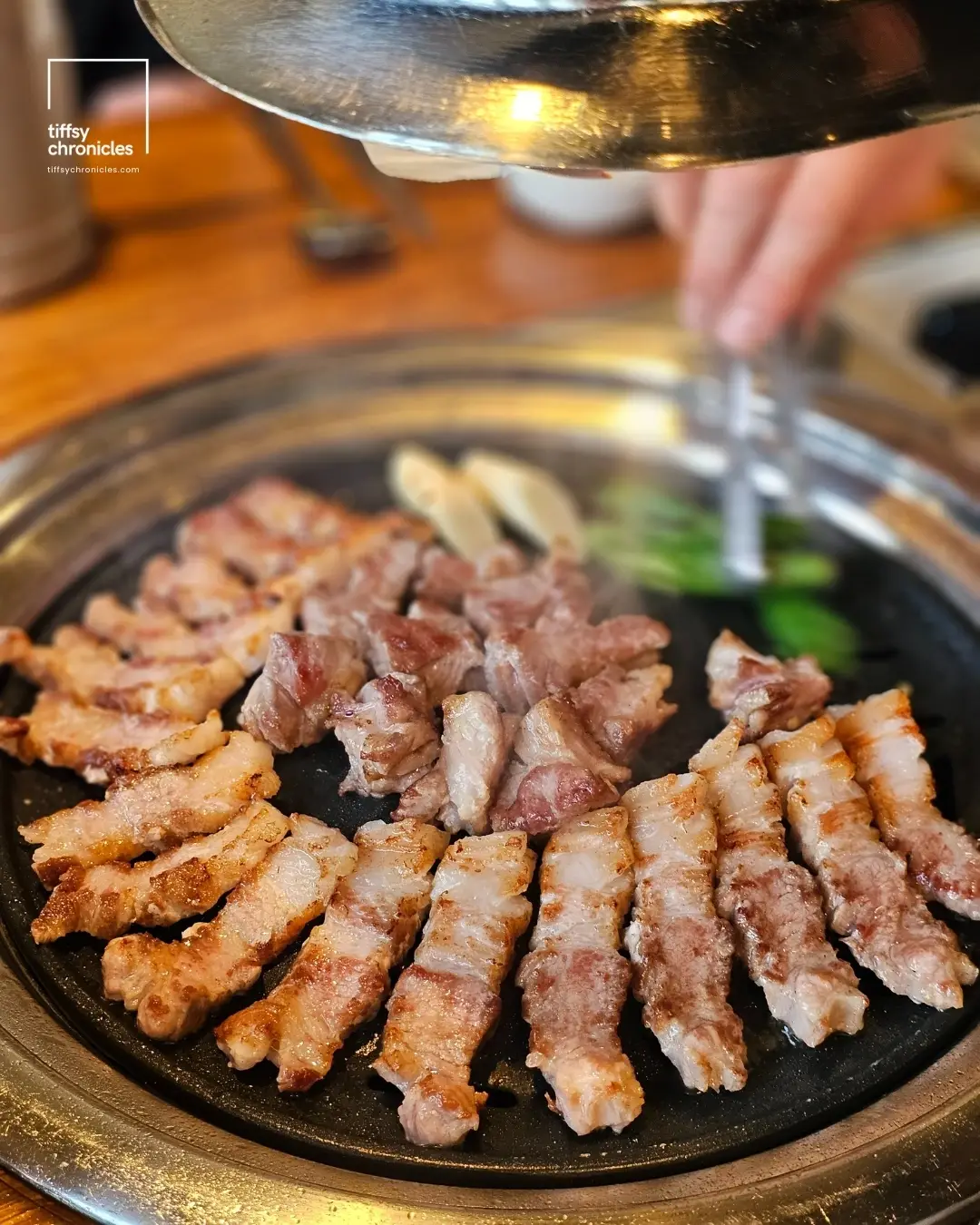
Common meat options you can see in Korean BBQ restaurants
- Samgyeopsal (Korean pork belly)
- Galbi (beef short ribs)
- Chadol bagi (beef brisket, thinly sliced)
- Rib-eye
- Bulgogi (marinated sirloin beef strips)
- Deung shin (beef loin)
- Moksal (pork collar)
- Dak galbi (marinated boneless chicken breast)
Common banchan offered in Korean BBQ restaurants
- Kimchi
- Radish kimchi
- Potato kimchi
- Japchae
- Steamed egg
- Potato salad
- Doenjang jjigae
- Odeng
- Rice
What Makes Korean BBQ Different?
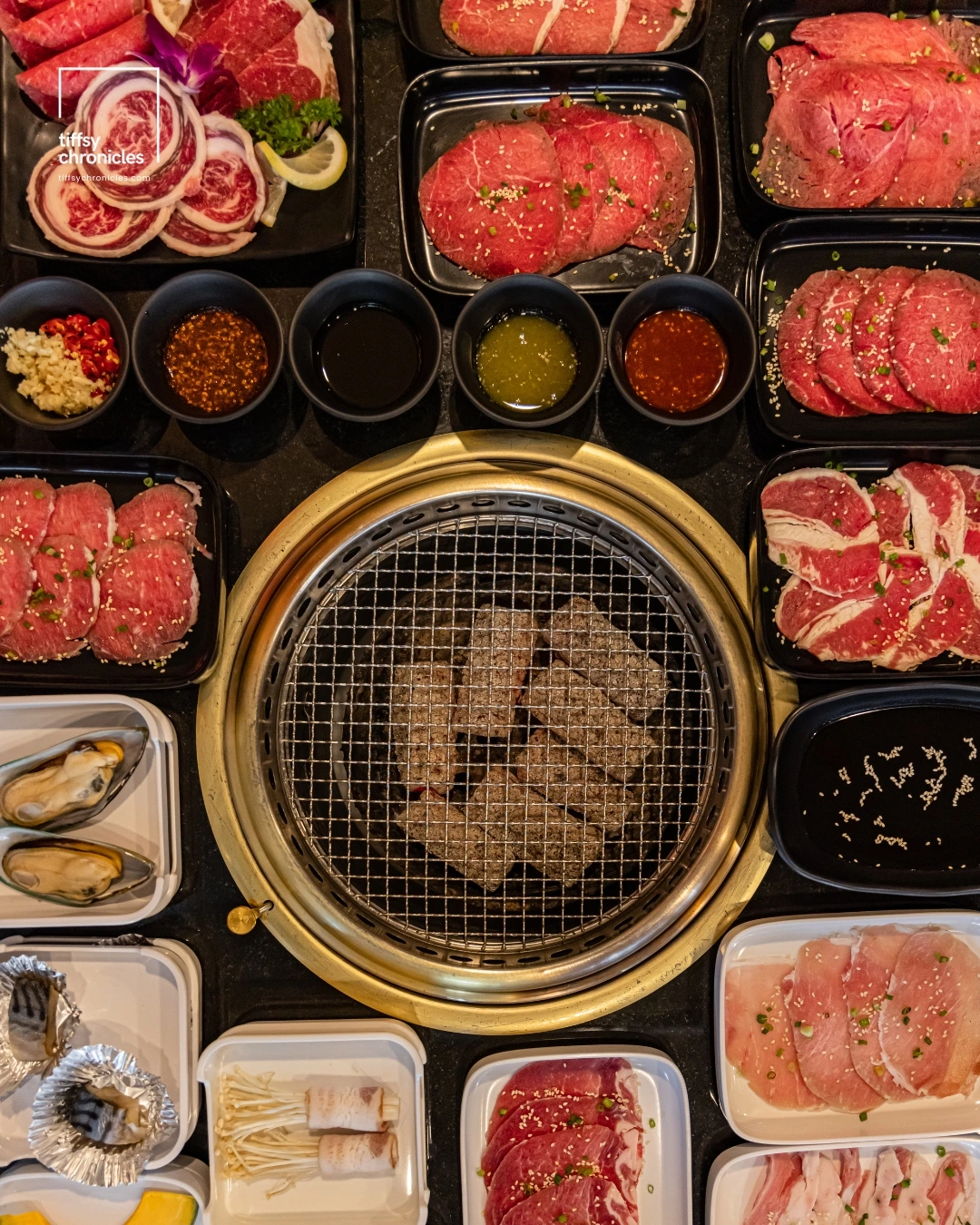
Across many cultures, barbecue is a cooking method that involves grilling meat, seafood, vegetables, etc. In this sense, Korean BBQ is similar to other kinds of barbecue. But how does it differ from other barbecues in the world?
For instance, in the Philippines, we have street barbecues, where there are various pork and chicken meat offered on skewers on the street. We typically eat barbecue on family outings during the summer too. Who can resist grilled liempo and cold soft drinks on a hot summer day?
In the US, American barbecue has variations too, but its main difference with KBBQ is the size of the meat. Typically, American barbecues use big cuts of meat such as brisket, chicken, pork butts, pork ribs, and steaks like sirloin and rib-eye. Side dishes usually served are mashed potato, macaroni and cheese, collard greens, and bread. It is common practice to smoke meat first before barbecuing in the US, while in Korea, you are starting the grilling with raw, marinated meat.
Japanese barbecue, also known as yakiniku, is another similar yet different cooking method. While banchan always accompanies the meat in Korean BBQ, Japanese barbecue is accompanied by raw vegetables and dipping sauces. Japanese BBQ focuses on beef as opposed to the selection of meat offered in Korean barbecues.
How to Order Korean BBQ (Etiquette)
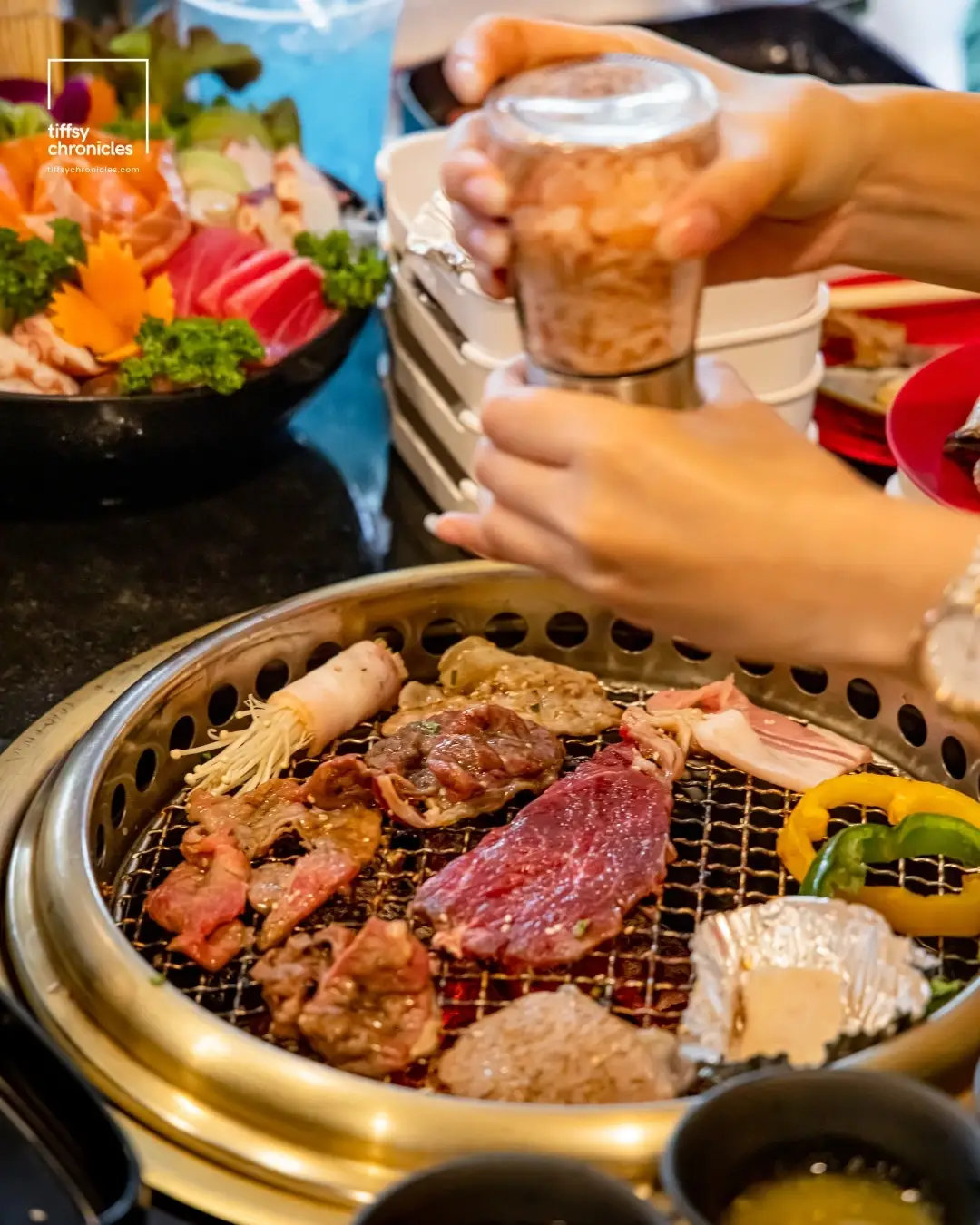
As you enter, Korean BBQ restaurants will always greet you with a smile and lead you to your designated place.
Most samgyeopsal places in the Philippines, or at least the ones in Metro Manila, will ask how many of you are dining and prepare accordingly. Korean BBQ restaurants in Metro Manila offer an all-you-can-eat style of dining.
They would assign a server to your table to get your order, and depending on the restaurant, you’re only allowed to order limited meat and side dish options, so as not to overflow your table, and not waste food.
Here are some tips for ordering Korean BBQ:
1. Order non-marinated meat options first
While there are many marinated meat options to choose from, you should start first with plain meat first to enjoy its texture and flavors. Dip the meat into the sesame oil and salt mixture or ssamjang –the combination of gochujang (red bean paste) and doenjang (soybean paste).
2. Ask for wooden chopsticks if you’re not comfortable with steel chopsticks
Korean chopsticks are different from Japanese ones. If you’re not comfortable with metal chopsticks, you may request wooden ones in many Korean restaurants. And if you’re not used to using chopsticks, the staff also usually provide common utensils like spoons and forks, as well as tongs and scissors you can use to cut the meat into bite-size pieces.
3. Know what banchan you want
In my experience, most KBBQ places in Metro Manila will serve you the first batch of banchan (or side dishes), along with your choice of meat. Once you finish your serving of your banchan, then you can order another batch.
My favorite banchan are kimchi, steamed egg, and japchae. You can never go wrong if these three are on your table.
Tiffsy Tip: Identify the banchan you like the most, so you can order more of it early on. This might sound bizarre but I judge KBBQ restaurants based on their kimchi. I believe serving good kimchi is the basic tenet of a good Korean restaurant.
Authentic Korean restaurants are more likely to serve great-tasting kimchi. So if you’re looking for an authentic (or at least close to authentic) experience, look for Korean BBQ restaurants in Manila that serve the best kimchi.
4. Ask the staff to replace the grill
The meat inevitably sticks to the steel grills of any samgyeopsal place, and sometimes, because of this, the grill gets too burnt that it doesn’t cook the meat well anymore. When this happens, ask the staff to replace your grill. Don’t worry, sometimes, even the attentive staff voluntarily asks to replace your grill so you can grill better. During busy hours, however, they may be too busy to notice, so simply let them know and they’ll provide you with a new one.
5. Strategize your meat orders
When the restaurant gets too busy, you may need to prepare your meat orders in advance, because the staff would be occupied with other guests too. You can order a batch depending on the number of people you’re with.
For example, if you’re a group of 5, you can order a platter of meat per person with varying meat cuts so you will be busy cooking in a while.
Many all-you-can-eat KBBQ restaurants have a strict two-hour time limit, so it would be best to strategize how you will eat to get the bang for your buck.
5 Best Ways to Eat KBBQ (and How to Eat Like a Local)
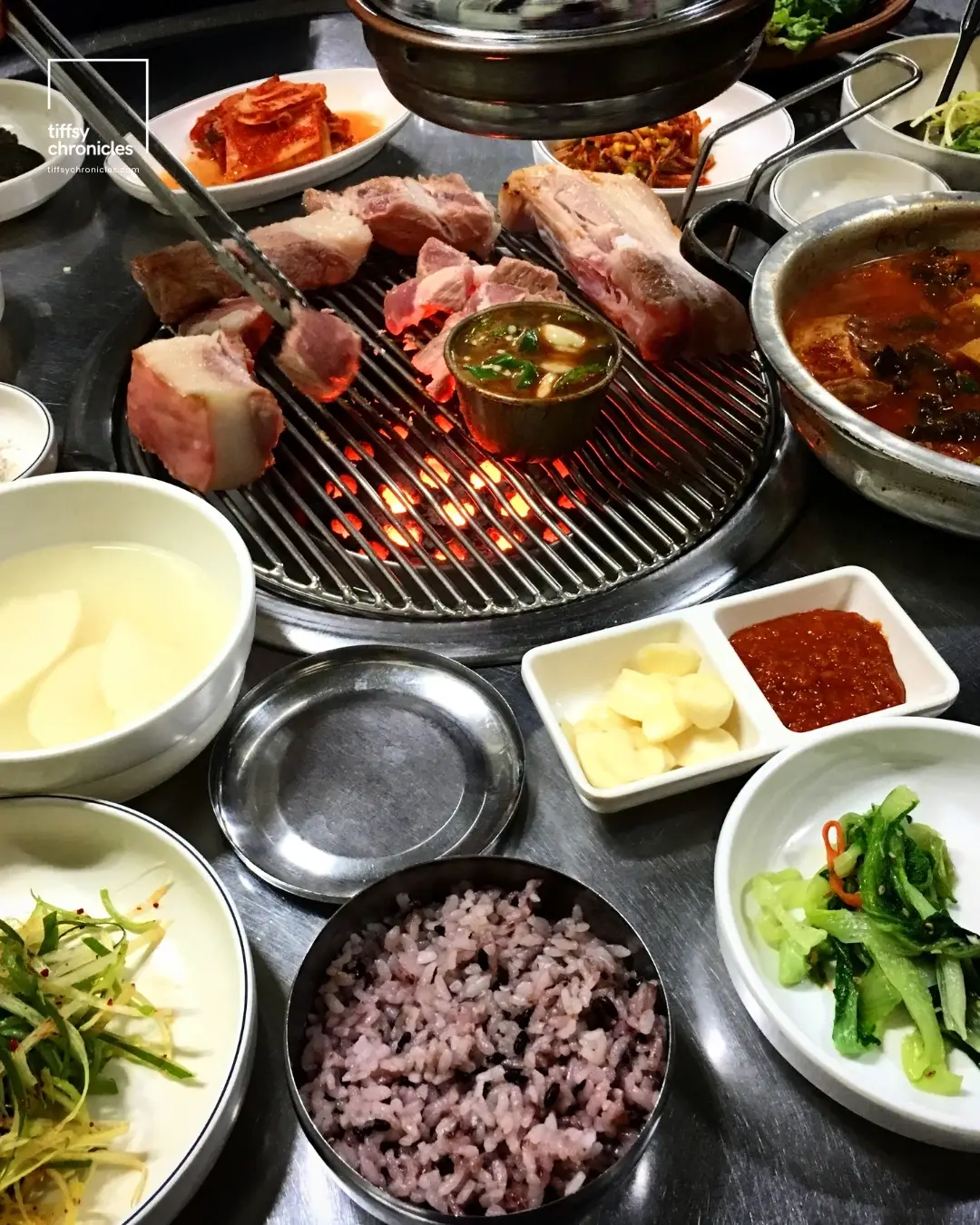
1. Grill garlic and kimchi first
Before you begin grilling the meat, place garlic cloves and kimchi on the grill. Garlic gives off a flavorful aroma, so placing them a few minutes before you put the first batch of meat will make it smell and taste better.
Grilling kimchi along with the meat also adds that distinct smell and taste. Plus, grilled kimchi is a great addition to your ssam (wrap).
2. Cook thick meat first
Cooking thick meat first will save you time. You can cook the thicker meat at the center, while the thinner ones and vegetables are on the side since they don’t need fire too much to cook them.
Tiffsy Tip: My strategy is cooking samgyeopsal and steak cuts in the middle while the chadol bagi and other thinner meats are on the side, so I’m saving time for them.
3. Don’t be afraid to use your hands
We love eating with bare hands as Filipinos. You can freely use your hands in eating at KBBQ restaurants too. They have washrooms so you can clean your hands, and they usually provide tissues and/or plastic gloves so you can eat your ssam with ease.
4. Eat a ssam in one bite
A ssam (or wrap) is a term for meat and veggies after you wrap them in a leaf of your choice. Typically, restaurants offer lettuce leaves, but some offer perilla and sesame leaves too. A ssam can also have garlic, chilis, or ssamjang. You can also choose your KBBQ dipping sauce or even dip the meat in cheese sauce. But it is really up to you.
The best thing about ssam is you can customize it however you like. You’re free to include whatever you want. However, you should refrain overfill your wrap because you still have to eat it in one go. Just like how you should eat kimbap or sushi, a ssam is meant to be consumed in one big bite.
Tiffsy Tip: My go-to ssam formula is meat dipped in ssamjang, grilled kimchi, and chili wrapped in lettuce. It’s fool-proof and it’s guaranteed delicious.
5. Order soju or maekju for sharing
What is a Korean BBQ experience without ordering soju or makgeolli? A barbecue is not complete with the ice-cold liquors you drink when you’re dining. In Korea, it is almost customary that you also order a bottle of soju or two whenever you eat samgyeopsal. Sometimes, it’s makgeolli, if you like drinking traditional wine. You can also order maekju, if you like beer but it is popularly paired with fried chicken, also known as chimaek.
Korean BBQ with alcoholic drinks sounds fun, especially if you’re meeting up with your friends, or when you’re having a team dinner with your colleagues at work.
Wrapping It Up
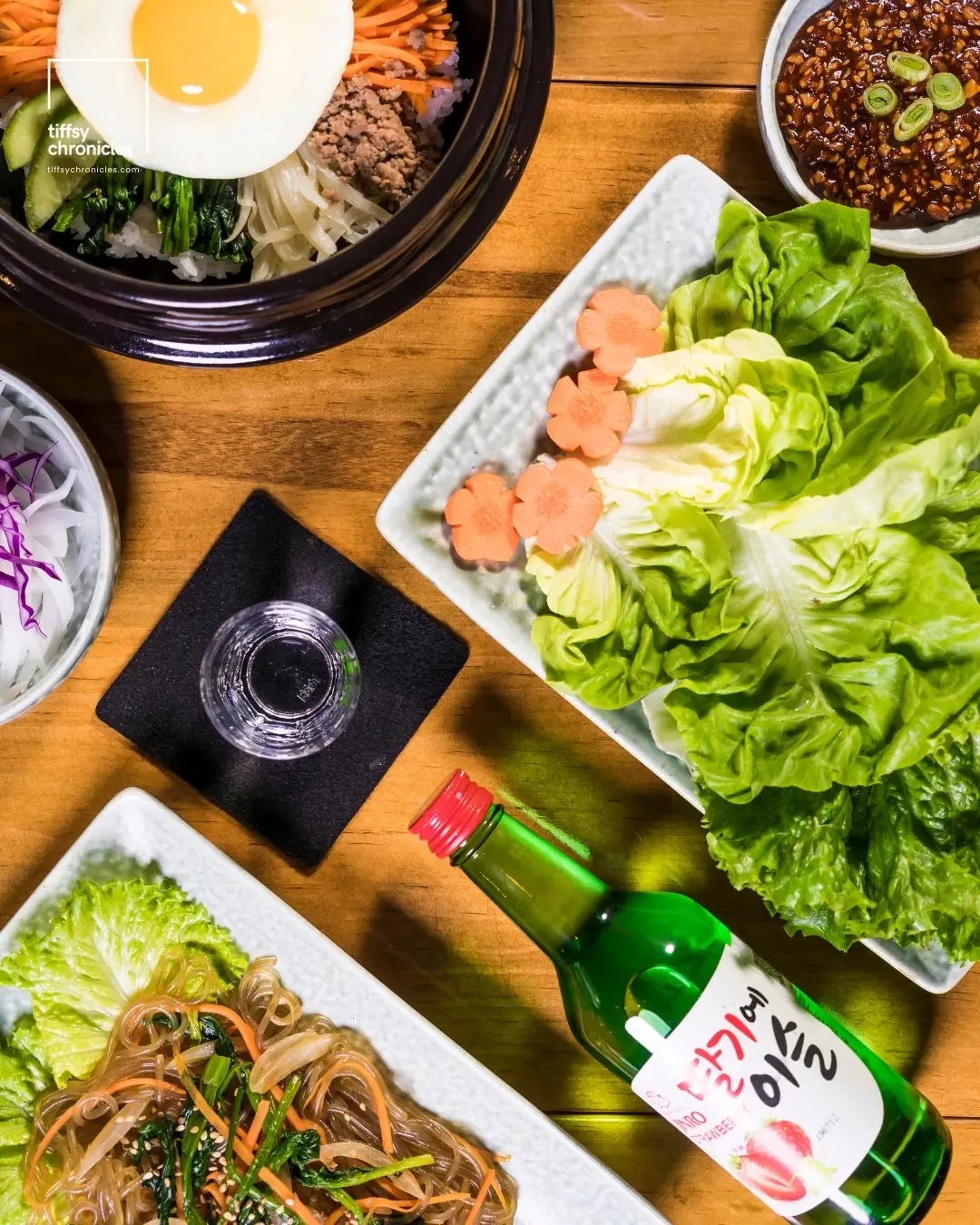
Enjoying Korean barbecue while socializing makes the food experience on a whole other level. Let all the various tastes and flavors settle in your mouth and finish it with ice-cold soju or maekju! Now that you know these tips on how to order and eat Korean BBQ like a Korean, will help you appreciate K-culture more and finish your meal satisfied.
How do you eat KBBQ? Share your tips in the comments!