
Siquijor Travel Guide: Everything You Need to Know About The ‘Island of Fire’
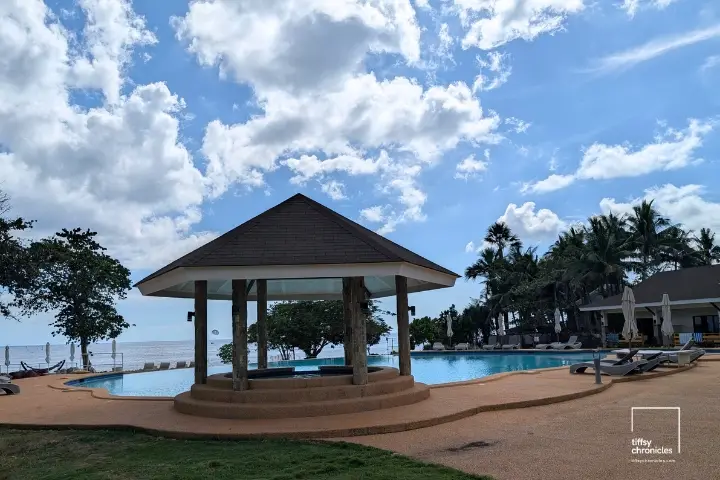
While many are attracted to the mysterious charm of Siquijor Island, its beautiful sunsets, warm hospitality, and ethereal natural resources are the actual magic that will make you stay.
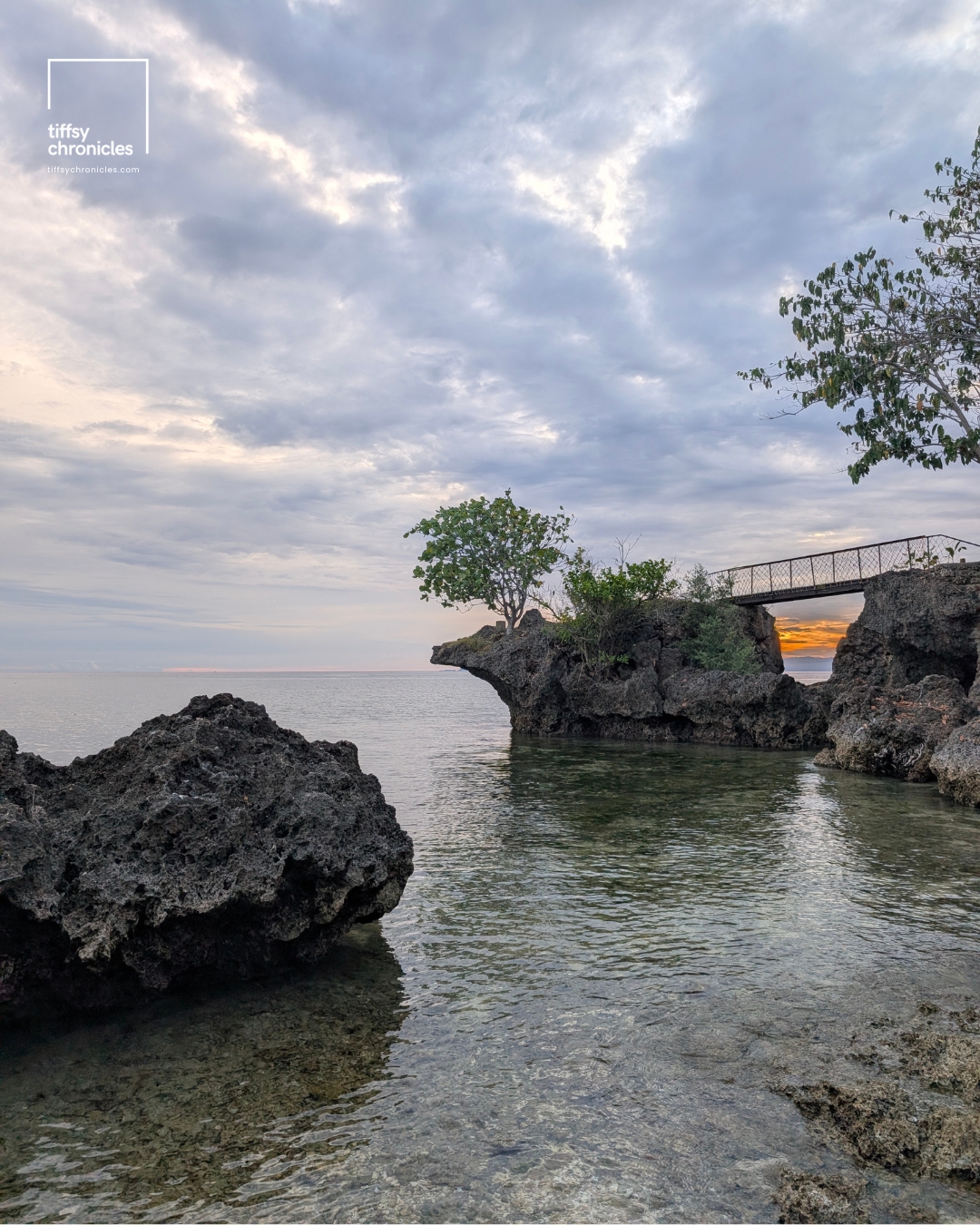
In this Tiffsy Travel Guide, we’ll cover everything you need to know if you’re considering traveling to the magical island of Siquijor.
Tiffsy Siquijor Travel Guide:
- What You Need to Know about Siquijor Island
- How to Go to Siquijor
- Getting Around Siquijor Island
- Where to Stay in Siquijor Island
- Siquijor Travel Guide: Must-Visit Tourist Spots in Siquijor
- When Should You Go to Siquijor?
- Is Siquijor Safe for Digital Nomads?
- Other Important Details
- Is Siquijor Worth Going to?
What You Need to Know about Siquijor Island
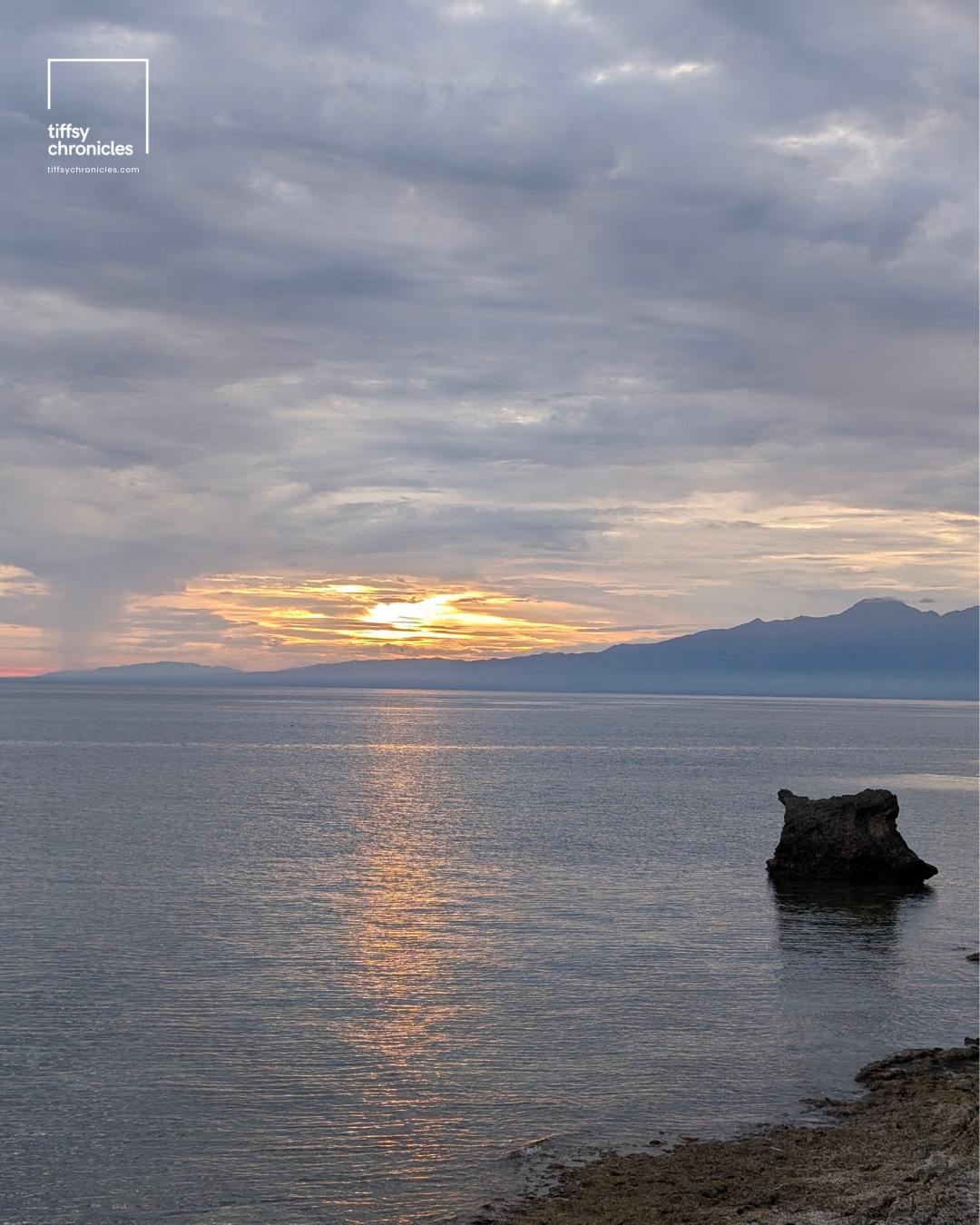
Before the Spaniards arrived, locals called it Katagusan, named after the tugas (Molave) trees that covered the hills.
When the Legazpi expedition spotted it in 1565, they were so shaken by the eerie, glowing lights from the shore that they named it Isla del Fuego (Island of Fire). Plot twist: it wasn’t actual fire, just millions of fireflies swarming the trees!
Legend also says the island literally “rose from the sea” during a massive earthquake, which is why farmers still find giant seashells in the mountains today.
How to Go to Siquijor
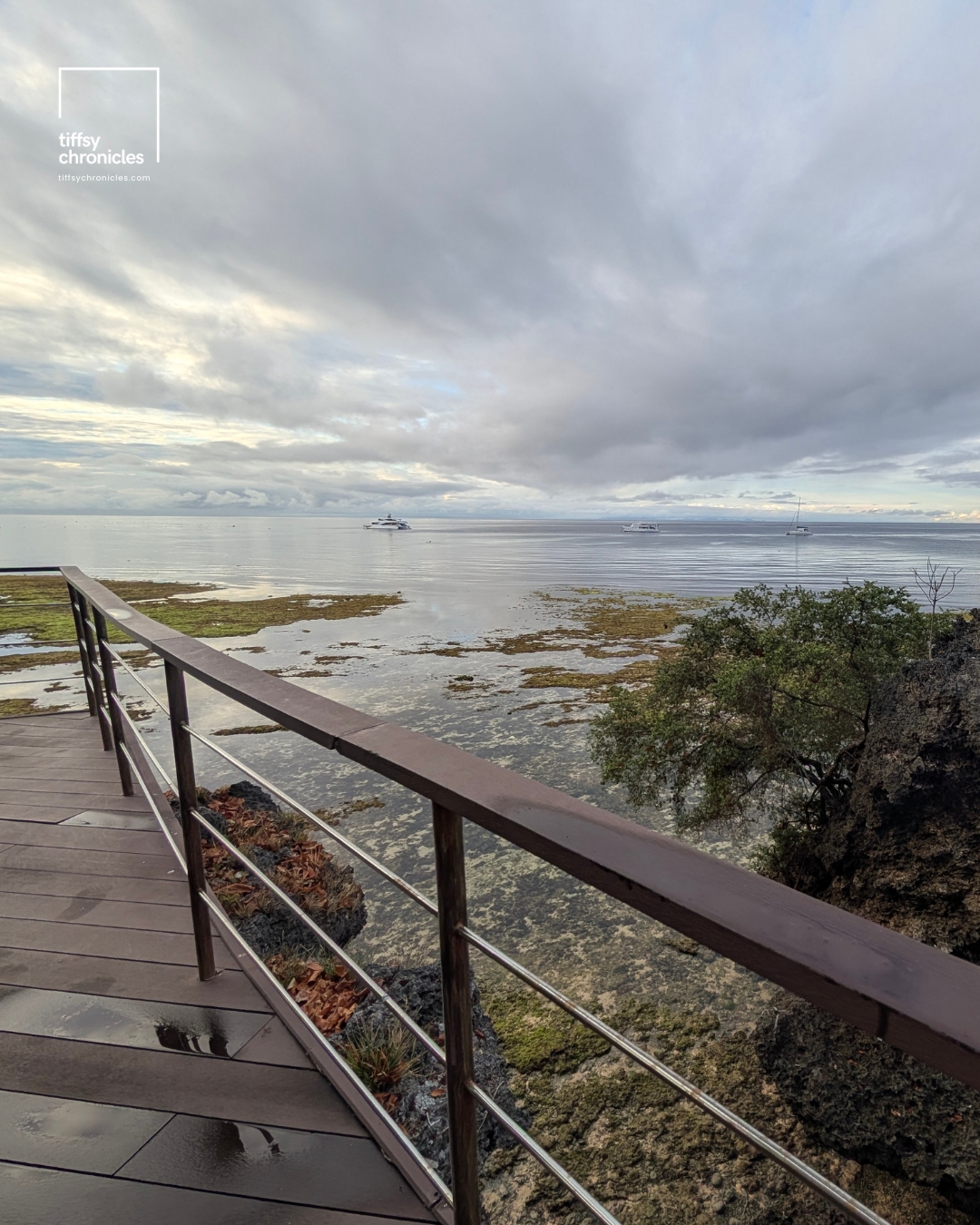
Getting to Siquijor is relatively straightforward, especially for first-time visitors and solo travelers.
Manila to Siquijor
If you’re coming from Manila, you can book your flights to Dumaguete-Sibulan Airport (DGT), and from there, you can take a trike to Dumaguete Port, where you can board a ferry going to Siquijor Island.
While there is a “Siquijor Airport”, only Sunlight Air offers a flight directly to Siquijor, with a stop in Cebu first before flying to the island. It takes about 2.1 hours from Manila to Cebu, 1.5 hours of layover, then another 1.1 hours from Cebu to Siquijor.
In my case, I chose to go through the MNL-DGT route, then took a ferry to the island.
Tiffsy Tip: Book your flights early in the morning so you can arrive at Siquijor on your check-in time. You’ll have more time to explore restaurants and enjoy the nightlife on the island.
Dumaguete to Siquijor
If you’re coming from Dumaguete or nearby areas in Negros Oriental, you can just go to Dumaguete Port and board a ferry going to Siquijor Island.
Fare: 392 PHP for Open Air and Tourist Class; 637 for Business Class via OceanJet
Cebu to Siquijor
You can either go for a flight from Mactan International Airport or go to Cebu International Port to book an overnight ferry to Siquijor. However, there is a layover in Tagbilaran, Bohol. From there, you will board a ferry to Siquijor Port.
Fare: 803 PHP for a one-way ticket from Cebu to Tagbilaran via OceanJet; 970 PHP for Open Air/Tourist Class, and 1294 PHP for Business Class one-way ticket from Tagbilaran to Siquijor via OceanJet.
Bohol to Siquijor
In Tagbilaran Port, ferries are available to travel to Siquijor Island. Note that you may also encounter connecting passengers from Cebu.
Fare: 970 PHP for Open Air/Tourist Class, and 1294 PHP for Business Class one-way ticket from Tagbilaran to Siquijor via OceanJet.
Transpo Considerations
Flight cost
I paid around 6,000 PHP for a round-trip ticket with Cebu Pacific with an additional 20kg baggage and seat preference for both flights. I typically book my trips the previous year, so this was already paid for even before the trip. If you book on flight sales, you may even get better fare prices for this.
Trike fare from Dumaguete Airport to Dumaguete Port
My friend and I paid 250 PHP for the trip because we hailed the trike from the airport, but some say it was typically around 150 PHP. We didn’t mind because it was too hot and we had our luggage.
Ferry fare
We took the OceanJet ferry from Dumaguete to Siquijor for a faster trip and more comfortable seating with AC. You can choose the business class with better seats. There are various ferries you can choose to go to Siquijor.
- Montenegro Lines – RORO Economy Ferry (341 PHP); Can load vehicles
- Anika Star – Second Class Seat Ferry (412 PHP)
- OceanJet – Open Air Ferry (458 PHP; same-day booking as of March 2025)
Tiffsy Tip: Just book your ferry of choice online, so you won’t have to line up to schedule your trip. We encountered long lines for the OceanJet booth, so we booked ours online instead.
Getting Around Siquijor Island
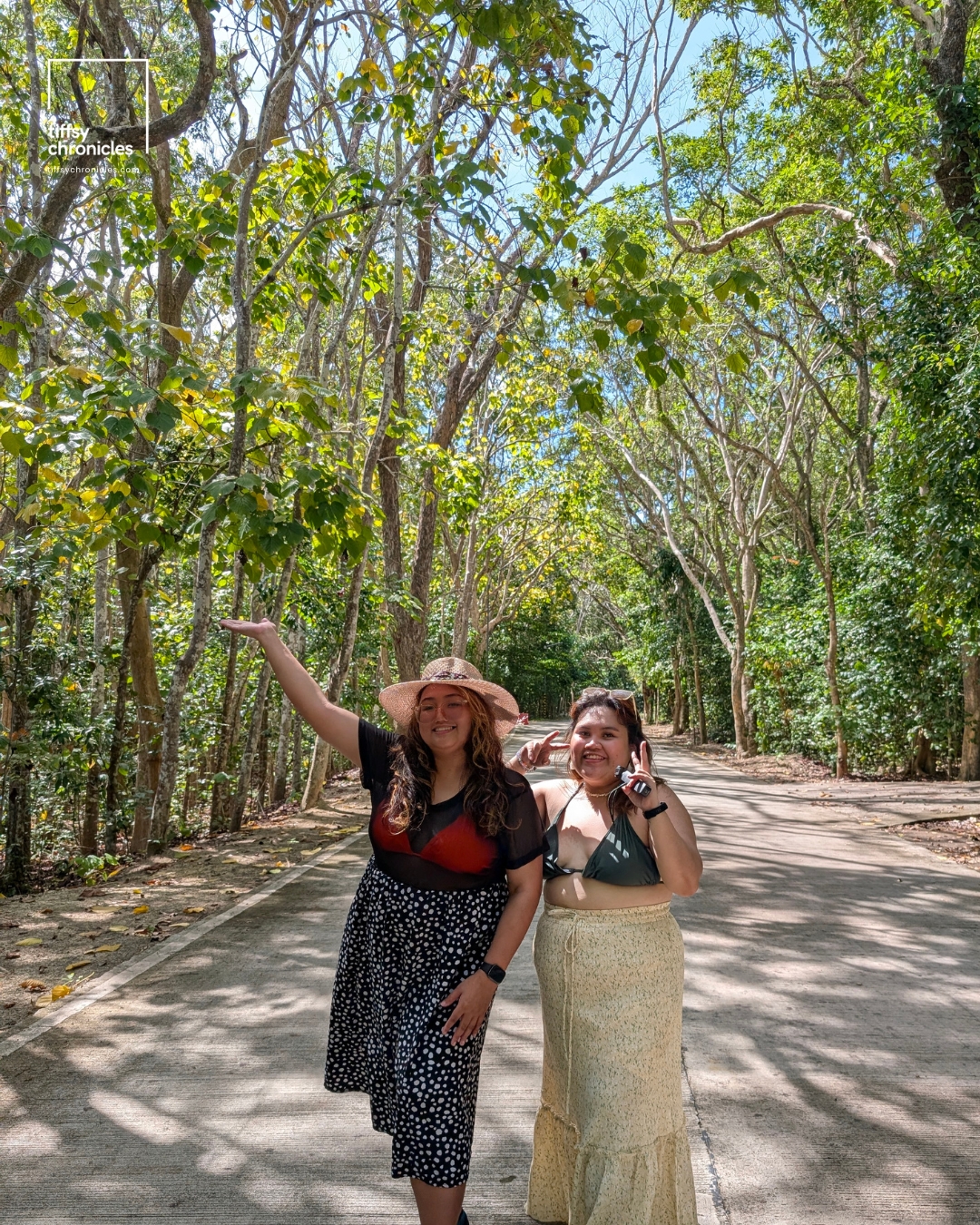
Every household in Siquijor owns at least one motorcycle or a tricycle. This is what our trike driver said when I noticed there were no other available public transport vehicles aside from tricycles or e-trikes.
I asked about jeepneys or buses, and he shared that there were jeepney routes before, but since most people have their own vehicles, plus the pandemic, the routes have become defunct on the island. Here are ways to get around Siquijor:
Motorcycles
This is hands down the most popular and flexible way to get around. You can rent a scooter for around 300-500 PHP per day.
It gives you the freedom to explore at your own pace, stop anywhere you want, and really soak in the island vibes. You need to have a driver’s license to rent a motorcycle, but this is the most economical way to get around the island.
Tiffsy Tip: Safety first! Always wear a helmet (it’s usually included in the rental), drive carefully, and check the bike’s condition before you take it. The roads are generally good, but some turns can be tricky, and there have been A LOT of accident casualties on the island due to blind spots on the road.
E-trikes or Trikes
If you’re not confident driving a motorbike, you can hire a tricycle or habal-habal (motorcycle taxi or tuk-tuk) for a day tour. They usually have fixed rates for a full island tour, which can be great if you’re traveling in a group, or a pair, or if you don’t mind sharing.

We booked a Day Tour with Kuya Raul, who is our e-trike driver and tour guide for the day. He’s experienced in talking to tourists from Manila and foreigners. Plus, he’s funny too! You won’t get bored during your trip.
Tiffsy Tip: Typically, resorts are located in San Juan, Siquijor. It is a different municipality from the Siquijor municipality (near the port area). We were charged 350 PHP for one trip from the port to our resort in San Juan, so you need to consider trike costs when traveling in Siquijor. Trike costs can easily get expensive if you’re visiting places one by one.
Car Rentals or Services
If you know how to drive, it would probably be more economical to rent a car and drive around. For bigger groups, hiring a private van is also an option, offering you comfort and convenience while traveling.
Where to Stay in Siquijor Island
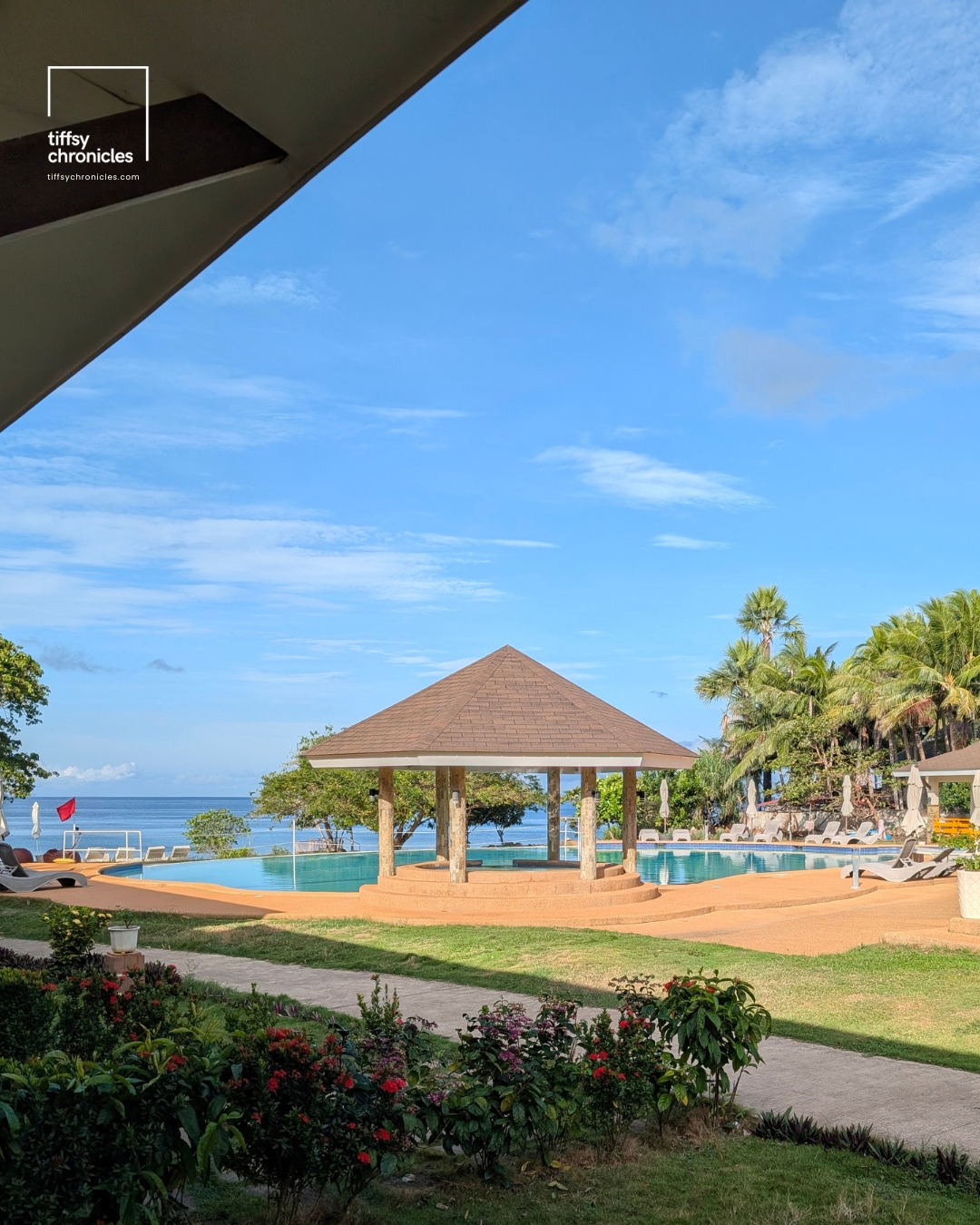
Choosing where to stay in Siquijor Island really depends on your itinerary and travel priorities. You can book near the Siquijor Port area, where you can get your daily necessities and pick-me-ups; you can stay at the serene area of Lazi, where you can feel the zen and nature. However, if you’re looking for a blend of most resorts, they would be located in San Juan, Siquijor.
Where we stayed
My friend and I stayed at FIG Sunset View Resort throughout our entire stay on the island. And omg, this resort really lives up to its name! We’ve got a glimpse of stunning sunsets by the deck and shore (although a bit rocky). You can enjoy watching the sunset by the pool and jacuzzi, too!
This resort is near the famous Coco Grove Beach Resort and Tubod Marine Sanctuary in San Juan, Siquijor.
Siquijor Travel Guide: Must-Visit Tourist Spots in Siquijor
Siquijor Island is a place for many adventures. You can explore nature, enjoy unique dishes and traditions in the town, and appreciate its rich cultural heritage. Here are some of the places you need to visit:
1. Cambugahay Falls
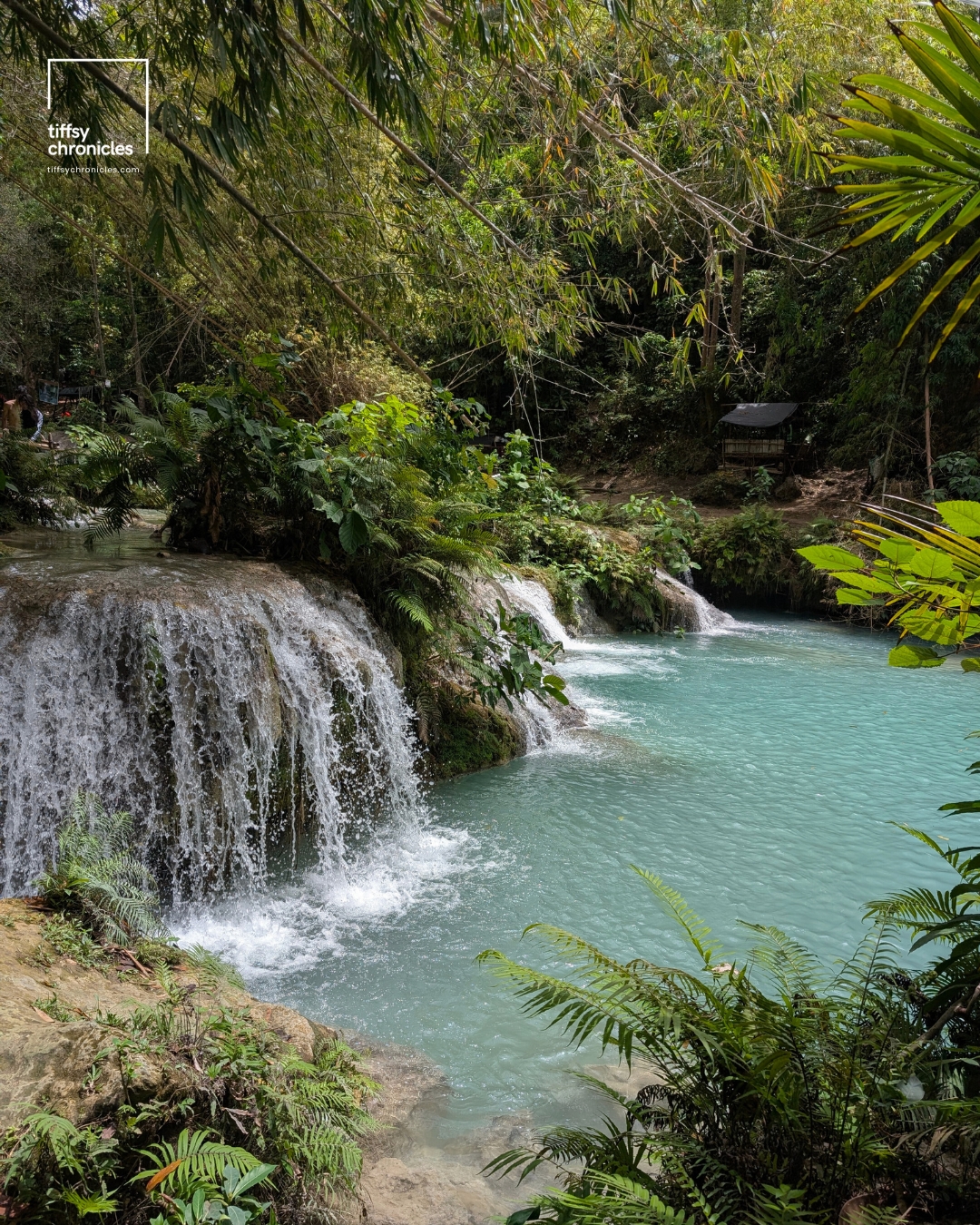
If Siquijor had a main character, this would be it. This three-tiered cascading waterfall is famous for its milky turquoise water that looks like a real-life Lightroom preset. It’s the ultimate playground for anyone looking to channel their inner Tarzan or Jane.
For a small fee, you get access to a tropical paradise surrounded by lush ferns and towering trees from Cambugahay Falls. Whether you’re swimming in the cool basins or trying out the bamboo rafts, the energy here is pure magic. It’s a bit of a hike down (and a workout back up!), but every step is worth it.
Tiffany Tip: Beat the crowd by arriving exactly at 8:00 AM. Also, don’t be shy to tip the local “Human Drone” guys—they know exactly how to swing you for that perfect, slow-mo IG shot!
2. Paliton Beach
Often called the “Little Boracay” of the island, Paliton Beach is where all the aesthetic dreams come true. With its powdery white sand, leaning coconut trees, and crystal-clear shallow waters, it’s the perfect spot to slow down.
Unlike the busier beaches in other provinces, Paliton maintains a raw, chill vibe that’s hard to find elsewhere. It’s a public beach, so it’s very accessible, and there’s plenty of space to lay down a towel, open a book, and just listen to the waves. It’s the soul-reset we all need after a long work week.
Tiffsy Tip: This is the place for sunset. Grab a cocktail or a fresh coconut from the rustic beachfront stalls, find a spot under a tree, and watch the sky turn into a pink and orange masterpiece.
3. The Century-Old Balete Tree
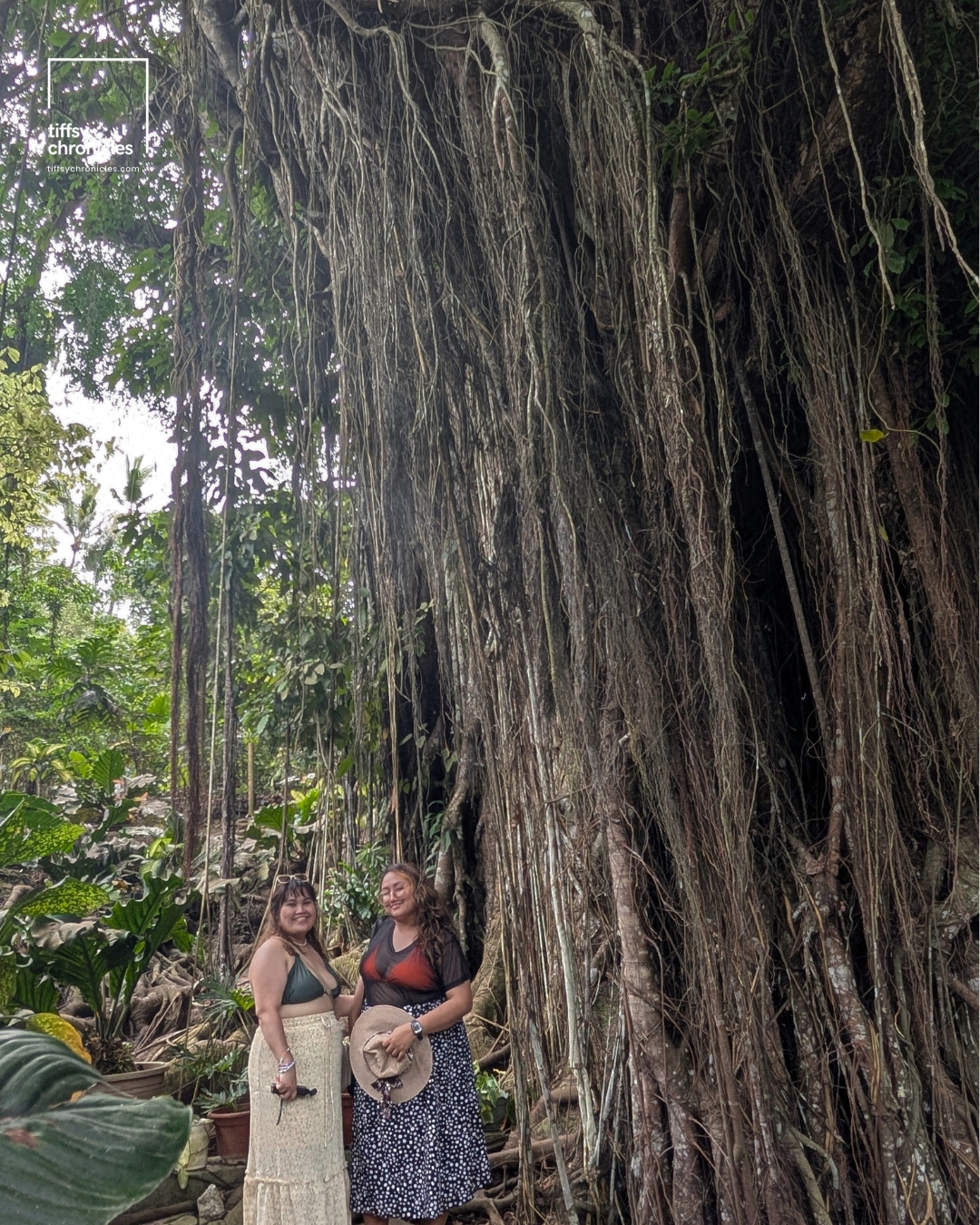
You can’t visit the “Island of Fire” without embracing a bit of its mystery! This massive, 400-year-old Balete tree is both majestic and a little bit eerie. At its base lies a natural spring where cool water flows directly into a pool filled with “doctor fish” and some tilapia!
It’s said that the tree is enchanted, and honestly, standing under its sprawling, vine-heavy branches, you might actually believe it. It’s a quick but essential stop located right along the main road, perfect for a mid-tour breather and a unique “only in the Philippines” experience.
Tiffsy Tip: For a small entrance fee, you can sit at the edge and get a natural fish spa. Warning: It’s super ticklish at first! Just breathe through it and enjoy the view of the ancient roots.
4. Lazi Church & Convent
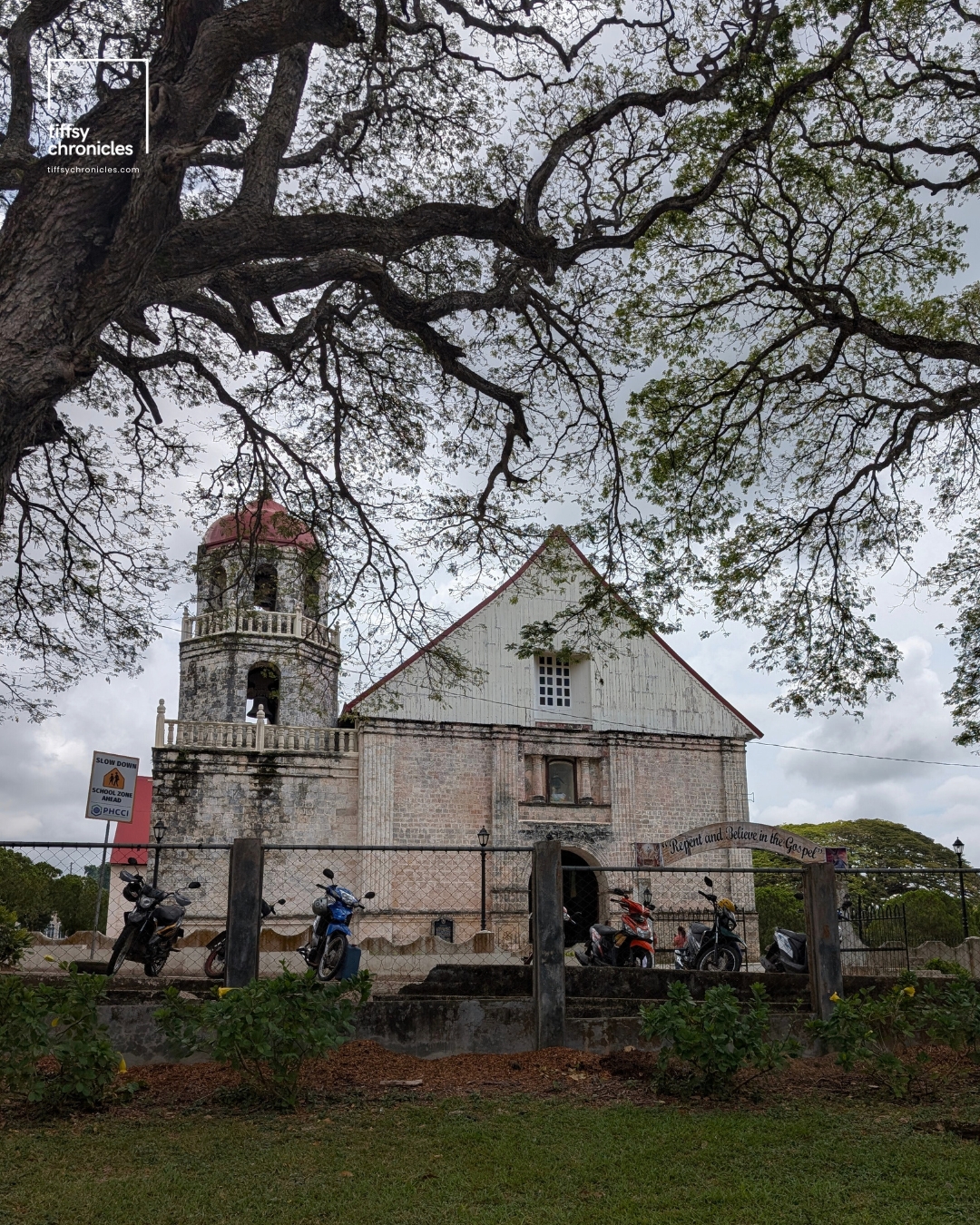
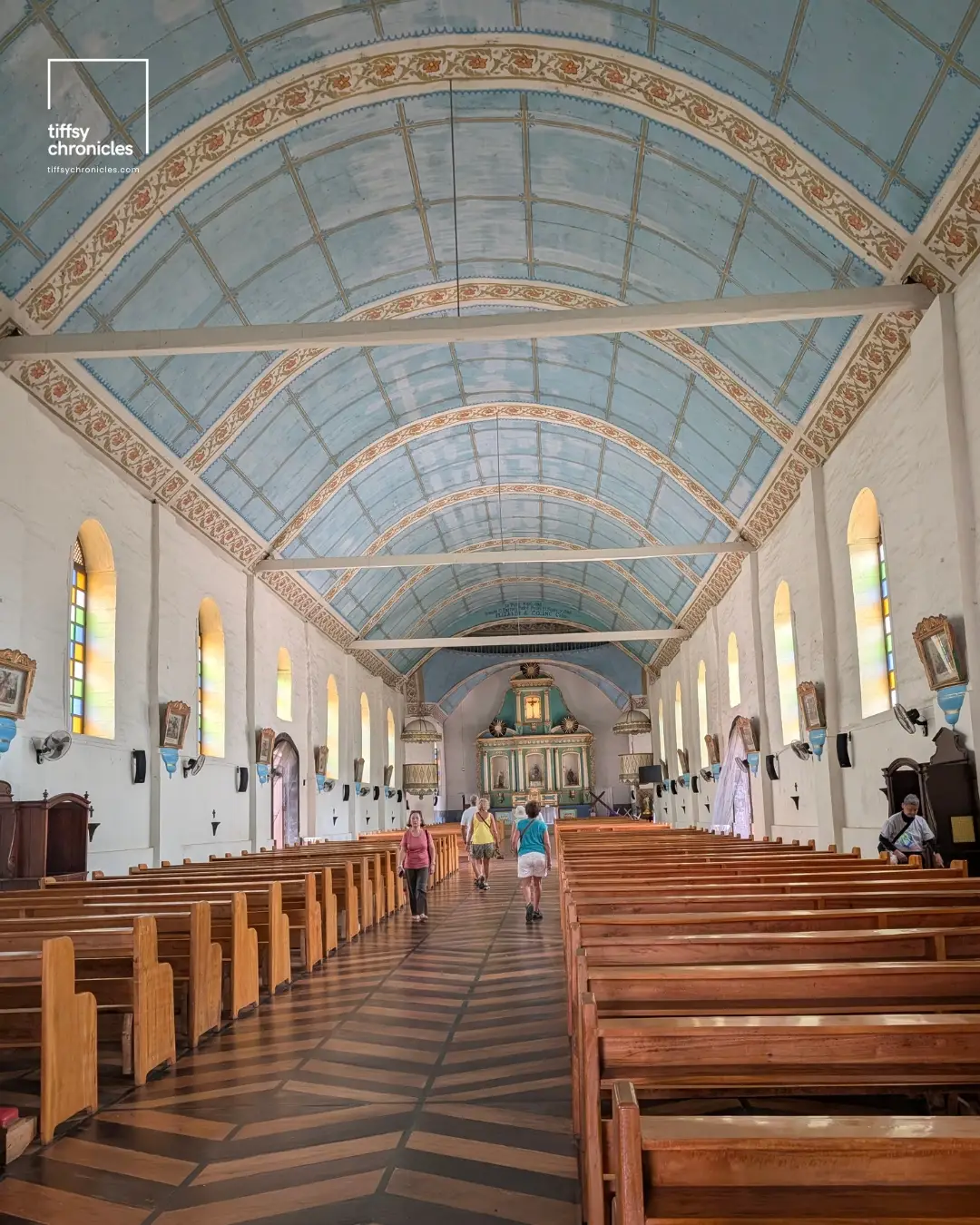
The San Isidro Labrador Parish, popularly known as Lazi Church, is a stunning National Cultural Treasure built back in 1884 using coral stones and hardwood. Right across it sits the Lazi Convent, which is one of the largest and oldest in the entire Asian region. The architecture here is incredibly preserved, featuring wide wooden floorboards and high ceilings that tell stories of a different era. Even if you aren’t a history buff, the sheer scale and craftsmanship of these buildings are enough to leave you in awe of the island’s heritage.
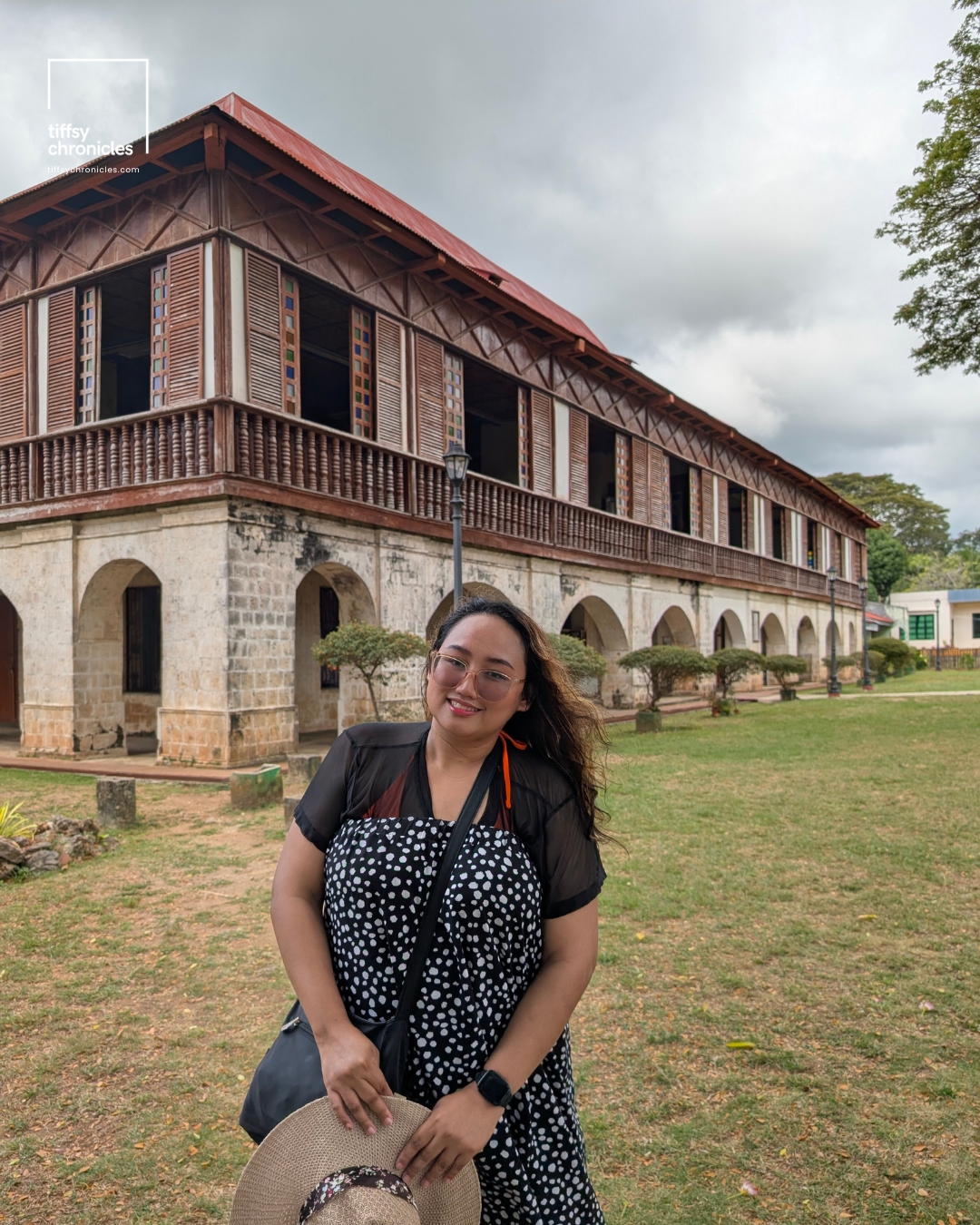
Tiffsy Tip: The convent has a museum inside for a small fee, but the real “win” is the exterior. The giant acacia trees surrounding the plaza make for the most dramatic, “Old World” backdrops for your photos.
5. Salagdoong Beach & Cliff Jump
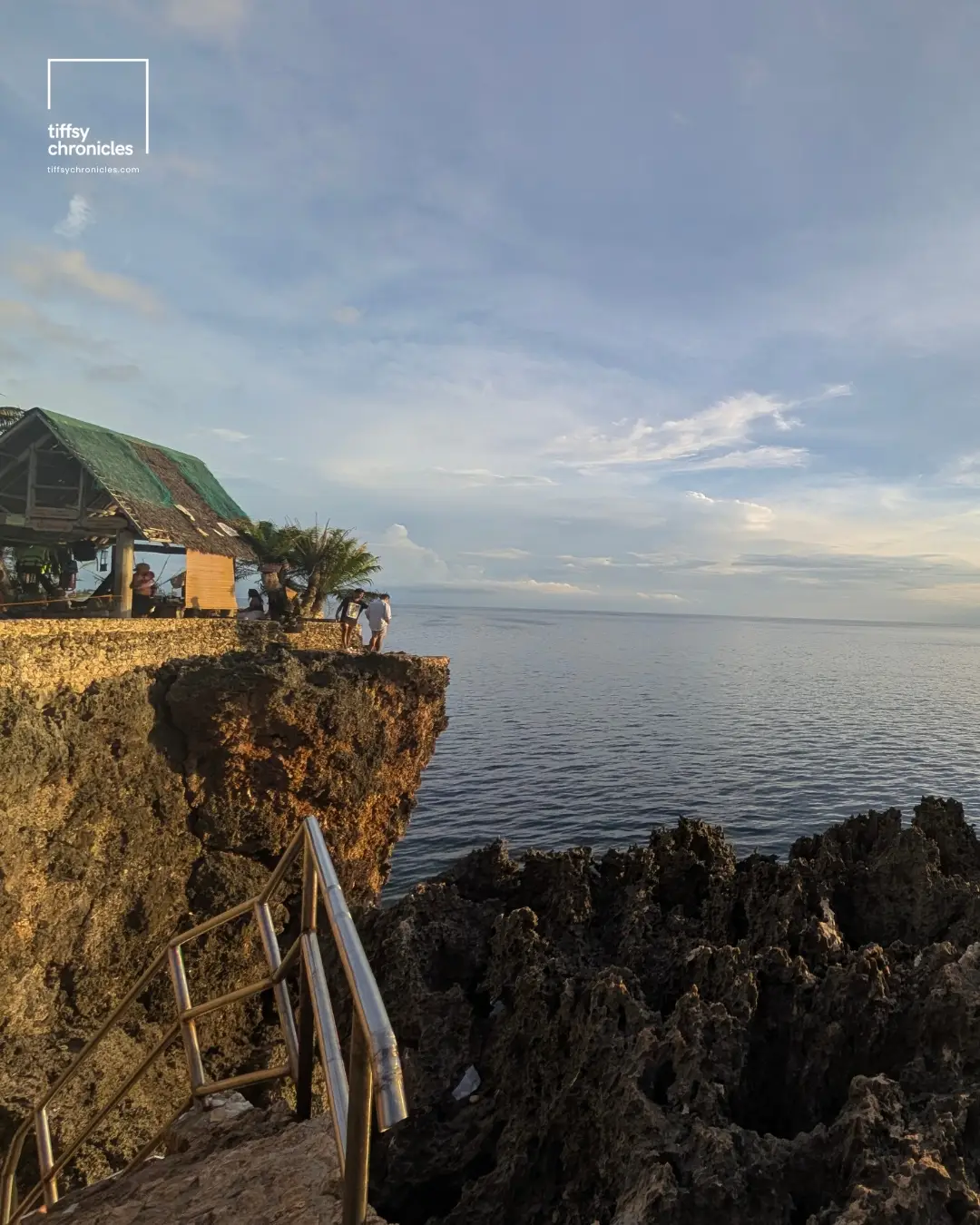
For my fellow adrenaline junkies who need a little spice in their itinerary, Salagdoong is your spot! This government-owned resort is famous for its twin coves and the iconic 10-meter diving platform built into a rock formation. Jumping into the deep, sapphire-blue water is a total rush and a highlight for many Siquijor travelers.
If you’re not into heights, the beach itself is still gorgeous for snorkeling, with colorful marine life just a few meters from the shore. It’s the perfect mix of high-energy thrills and relaxed beach lounging.
Tiffsy Tip: Safety first, bestie! Always check the tide with the lifeguards before jumping. If it’s low tide, the platform is closed for a reason. You can always stick to the water slides or the coves instead!
When Should You Go to Siquijor?
The absolute best time to visit is during the dry season, from November to May. This is when the seas are calmest, and the sun is out, making the water at Cambugahay Falls look that perfect, milky turquoise we all love. You can tour the island in 1-2 days, but if you have more time, I recommend you stay for a few days to fully explore Siquijor.
Be aware of Philippine holidays, though. The peak season of going to the island is around March and April, when the climate is warming up and the Holy Week is coming.
Is Siquijor Safe for Digital Nomads?
Yes, Siquijor Island is generally safe and very welcoming to tourists. However, just like in any place, you need to exercise caution and secure your belongings—especially for solo travelers and digital nomads bringing their laptops and other devices to places.
Other Important Details
Mode of Payment
When they say cash is king in Siquijor, they’re not kidding. While many places offer GCash QR payments and some accept card payments, you can never go wrong with having a lot of cash on hand when traveling in Siquijor. It’s better to withdraw cash from Dumaguete or at Siquijor port since ATMs are a bit scarce in other areas.
Electricity and Internet for Digital Nomads
Expect brownouts and internet interruptions in the island. Some networks do not work in some areas, especially in more rural places and on the island. Many resorts have backup generators, so you won’t have to worry that much. If you’re a digital nomad like me, it’s better to bring your own portable wifi and power banks in case of power interruptions.
Plugs in Places
Knowing the right socket voltage is important. Plugs and sockets are plenty in accommodations, but make sure you have the right voltage for your gadgets.
In Siquijor, as in the rest of the Philippines, power is supplied at a standard voltage of 220 V and frequency of 60 Hz. The types of electric plugs and sockets used are primarily Type A, B, and C.
Tiffsy Tip: Bring a travel adapter for local sockets and a voltage converter (if your device is designed for a lower voltage). Always check the voltage label of your devices.
Is Siquijor Worth Going to?
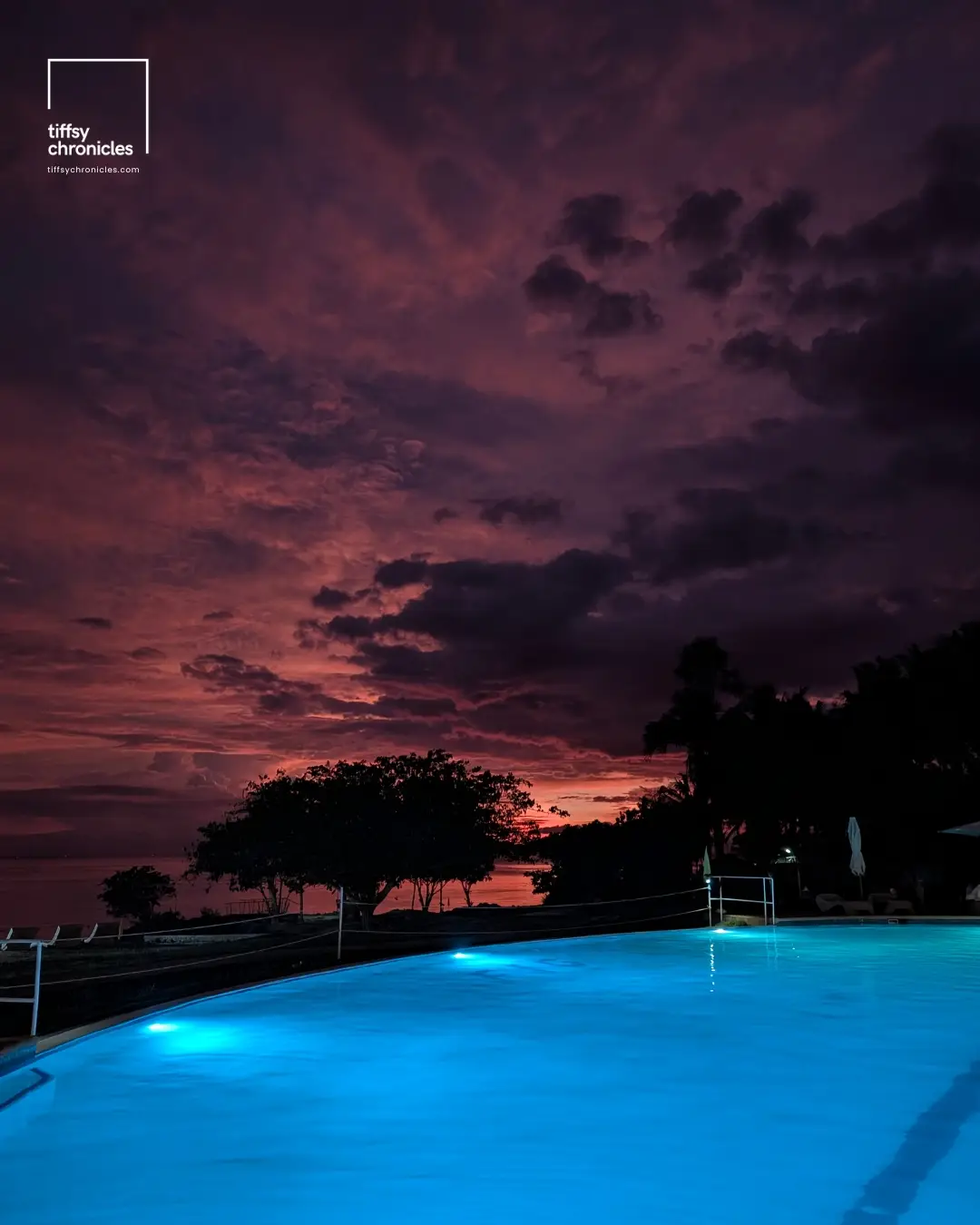
Traveling to Siquijor always feels a little bit like waking up from a really good dream. It’s one of those rare places in the Philippines that manages to stay raw and authentic, even as it trends on everyone’s FYP. I hope this Siquijor Travel Guide can help you navigate the island.
Whether you’re finding your courage on the 10-meter plank at Salagdoong, healing your soul in the turquoise waters of Cambugahay, or simply watching the sky turn into a watercolor painting at Paliton Beach, the island has a way of stripping away all the stress from the city.
You might come here for the aesthetic photos, but you’ll leave with a much-needed reminder that it’s okay to slow down, breathe, and just be.
Siquijor Island is a whole different vibe. It’s a reset and a little piece of magic that proves the best things in life are often found at the end of a long ferry ride.
So, are you ready to cast your own spell on the Island of Fire?
Which travel destination is on your 2026 bucket list? Let us know your recommendations in the comments below!